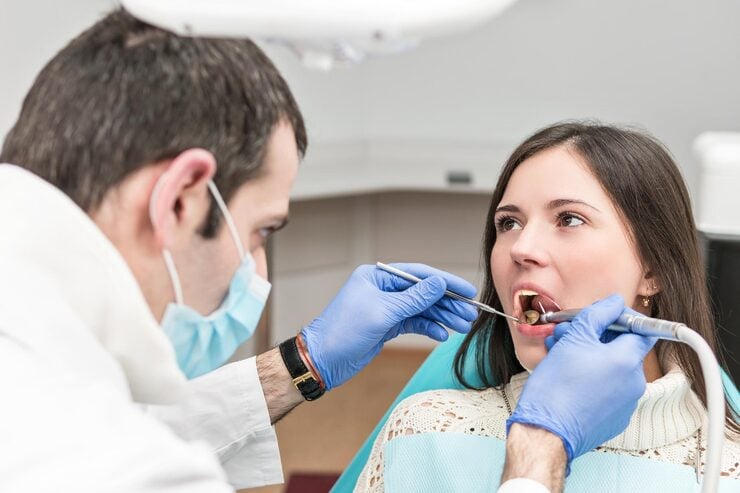
Have you chipped or cracked a tooth and are unsure what to do next? Tooth damage can happen from biting hard foods, accidents, sports injuries, or normal wear. An Emergency Dentist in Calgary NE can check the damage and recommend suitable care. Getting the tooth examined early may help prevent a small chip or crack from becoming a bigger problem.
Until a dentist near you examines the tooth, choose soft foods and avoid chewing on the affected side. Seek dental care promptly if you notice pain, swelling, bleeding, or severe sensitivity.
What Should You Do After Chipping or Cracking a Tooth?
If you chip or damage a tooth, try to stay calm and take simple steps until you can see a dentist. What to do if you chip a tooth depends on how much of the tooth is damaged and whether you have pain or other symptoms.
Helpful steps include:
- Rinse the mouth gently with warm water.
- Save any broken piece of the tooth if possible.
- Place a cold compress on the outside of the cheek if swelling occurs.
- Avoid chewing with the damaged tooth.
- Choose softer foods until the tooth is checked.
- Contact a dental professional for an assessment.
Do not try to glue the broken piece back onto the tooth or file the tooth yourself.
When Is a Cracked Tooth an Emergency?
A cracked tooth may need quick dental care, especially if it causes severe pain, swelling, bleeding, or happens because of an injury.
Get urgent dental care if you have:
- Severe or worsening tooth pain.
- Swelling around the tooth or face.
- Bleeding that does not stop.
- A deep crack or large broken section.
- A tooth that has been knocked loose.
- Difficulty opening the mouth or swallowing.
- Signs of infection, such as fever or increasing swelling.
A dentist in Calgary NE can examine the tooth and determine how serious the damage is. Quick assessment may help prevent further injury and protect as much healthy tooth structure as possible.
What Causes a Tooth to Chip or Crack?
Teeth can become damaged for several reasons. Some cracks happen suddenly, while others develop slowly due to repeated pressure.
Common causes include:
- Biting down on hard foods.
- An accident or sports injury.
- Teeth grinding or clenching.
- Large fillings that weaken a tooth.
- Untreated tooth decay.
- Normal wear over many years.
The location and size of the damage can affect the treatment needed.
What Does Chipped Tooth Pain Feel Like?
Pain from a chipped tooth can be different for each person. A small chip may not hurt, while a larger break may cause pain or sensitivity.
Possible symptoms include:
- Pain when biting or chewing.
- Sensitivity to hot or cold foods.
- A sharp edge that irritates the tongue or cheek.
- Tenderness around the tooth.
- Pain that comes and goes.
Pain does not always show how serious the damage is. Even a chipped tooth without pain may need an examination to check for hidden cracks or weakened areas.
Is a Chipped Tooth a Dental Emergency?
Not every chip requires emergency treatment. A small chip without pain, swelling, or bleeding may be treated during a regular dental appointment.
However, urgent assessment may be needed when:
- A large part of the tooth has broken.
- The tooth is causing severe pain.
- The tooth is very sensitive.
- The crack extends below the gumline.
- The tooth has become loose.
- An injury has affected several teeth.
The safest approach is to have the damage assessed so the appropriate level of care can be determined.
How Is a Chipped or Cracked Tooth Treated?
Treatment depends on the size and location of the damage. A dental examination may include checking the tooth, bite, and surrounding tissues.
Possible treatments include:
- Dental bonding: A tooth-coloured material may repair a small chip.
- Dental filling: A filling may restore a small damaged area.
- Dental crown: A crown may cover and protect a more weakened tooth.
- Root canal treatment: This may be needed if the inner part of the tooth is badly damaged or infected.
- Tooth removal: In severe cases where the tooth cannot be saved, removal may be considered.
The goal is to protect the tooth and restore its function whenever possible.
How Can You Prevent Further Tooth Damage?
After your tooth is treated, good daily care can help protect it. Regular dental checkups can also help find problems early.
Good habits to protect your teeth include:
- Brush your teeth twice a day using fluoride toothpaste.
- Clean between your teeth daily.
- Do not chew ice or other hard items.
- Use a mouthguard when playing contact sports.
- Consider a night guard if you grind your teeth.
- Keep up with regular dental checkups.
Take Action When a Tooth Is Damaged!
A chipped or cracked tooth may be minor, but it can sometimes signal more serious damage. Prompt assessment can help identify the problem and determine whether the tooth can be repaired and protected.
Book an appointment with Sunridge Landing Dental for an assessment and the right care for your damaged tooth.
FAQs
Can a chipped tooth heal on its own?
No, a chipped tooth cannot grow back. Small chips may only need simple care or monitoring by a dentist.
Should a cracked tooth always be treated right away?
Not always, but a cracked tooth should be checked. Get care quickly if you have pain, swelling, or sensitivity.
What should I do if I chip a tooth while eating?
Rinse your mouth gently, save the broken piece, and avoid chewing on that side. See a dentist for a checkup.
Can a cracked tooth get worse?
Yes. Chewing or grinding can make the crack worse. Early dental care can help protect the tooth.