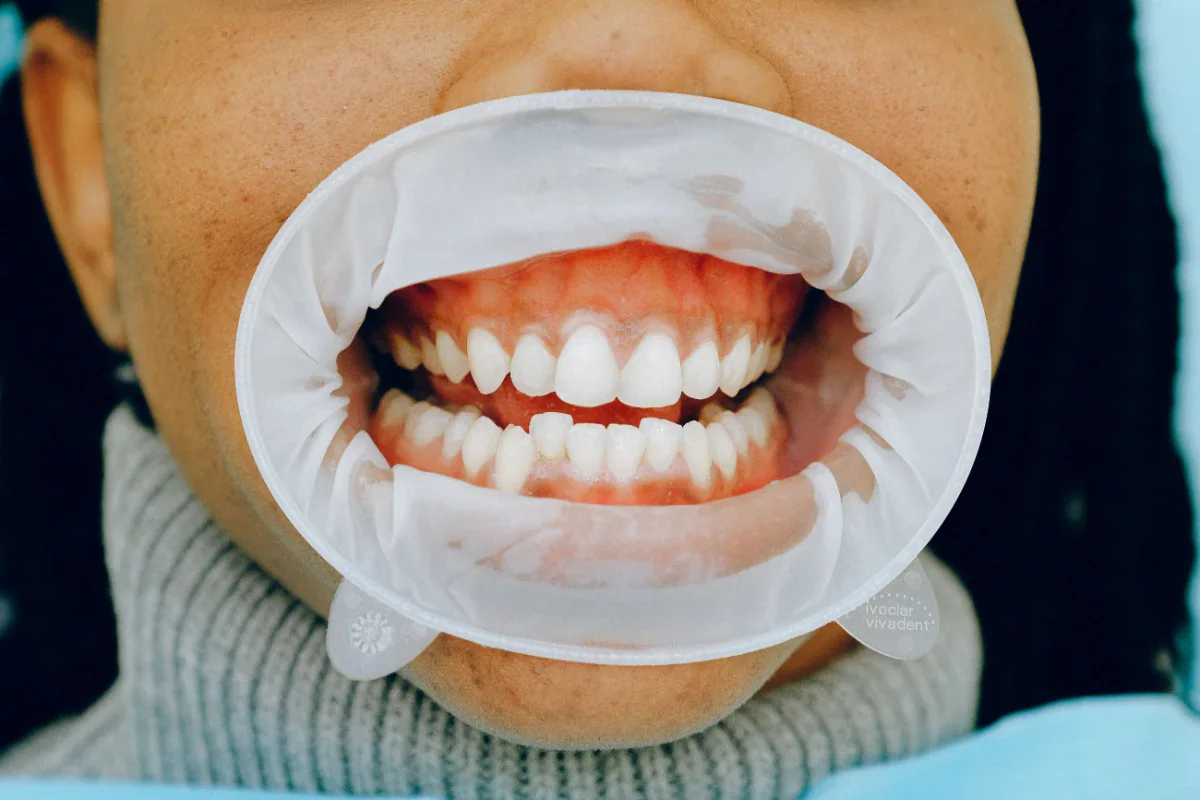
You smile in a photo and notice that one tooth looks shorter than the others. It might not be the tooth itself. Sometimes, the gum covers more of its surface. Laser crown lengthening allows a dentist to carefully trim that extra tissue and expose more of the tooth. The procedure may also be used when there isn’t enough visible tooth left to hold a crown. Your dentist will need to examine the area first to see if this approach is suitable.
Why Might You Need Crown Lengthening?
Crown lengthening may be recommended for different reasons. You might want to improve an uneven gumline, or your dentist may need to expose more of a damaged tooth before repairing it.
Common reasons include:
- Excess gum tissue: Your teeth may appear shorter because the gums cover part of their surface.
- Uneven gumline: One tooth may look smaller than the others because the gum levels differ.
- Decay near the gums: A cavity extending beneath the gumline may be difficult to repair.
- Broken tooth: Your dentist may need to expose more healthy tooth structure before placing a crown.
An examination helps determine whether reshaping the gums would be appropriate.
Can You Prevent the Need for Gum Contouring?
Some gumline differences are related to how your teeth and gums developed. Brushing and flossing cannot change their natural position.
However, keeping your gums healthy can help prevent inflammation that makes them look swollen.
Brush twice daily, clean between your teeth, and attend regular dental examinations. If your gums bleed frequently or appear enlarged, have them checked rather than assuming the problem is cosmetic.
How Does Laser Dentistry Work for Gum Contouring?
Traditional gum surgery may involve a scalpel to remove or reposition tissue. With laser dentistry, a focused beam of light can be used to reshape certain areas of gum tissue.
The laser can help control bleeding while the dentist works. It may also reduce the need for stitches in suitable cases.
However, not every crown lengthening treatment can be completed using a laser alone. If the bone beneath your gums also needs reshaping, additional surgical techniques may be necessary.
Your dentist will assess the gums, bone levels, and amount of exposed tooth before deciding which method is suitable.
What Happens During a Crown Lengthening Procedure?
If you’re exploring periodontics in Calgary NE, it helps to understand what the procedure involves before booking a consultation.
Your dentist first examines the tooth and the surrounding gums. X-rays may be needed to assess the bone beneath the tissue.
A typical crown lengthening procedure may involve:
- Numbing the treatment area with a local anesthetic.
- Marking the amount of gum tissue that needs adjustment.
- Using a dental laser to reshape suitable soft tissue.
- Assessing whether further treatment is needed for the underlying bone.
- Providing instructions for caring for the area while it heals.
You may feel some pressure during treatment, but the local anesthetic is intended to reduce pain.
The amount of tissue removed depends on whether the goal is cosmetic improvement or preparation for a dental restoration.
What Should You Expect During Recovery?
Your gums may feel tender or appear slightly swollen afterward. Some bleeding can also occur.
For the first few days, softer foods may be more comfortable. Avoid brushing directly over the treated area until your dentist advises you on how to clean it safely.
You may feel better after a few days, but your gums can take several weeks or longer to settle into their new shape.
If you develop heavy bleeding, increasing swelling, fever, or worsening pain, contact your dentist promptly.
Is Gum Contouring Right for You?
If you are looking for a dentist near you to discuss an uneven gumline, an examination is the best place to start.
At a dental clinic in Calgary NE, your dentist can examine your gums and explain whether the concern is excess tissue, tooth position, or something else.
Teeth that appear short do not necessarily need gum surgery. In some cases, orthodontic treatment or another dental approach may be more suitable.
The condition of the surrounding bone also matters. Removing too much tissue could expose sensitive root surfaces or affect the support around a tooth.
Discuss Your Gum Health With Sunridge Landing Dental Care
If you have concerns about your gumline or think you may need a dental crown, Sunridge Landing Dental Care can help you understand your options. The team can check your teeth and gums, explain the care you may need, and answer your questions. Regular dental visits can also help find gum problems early and keep your teeth healthy. Book a visit to discuss your concerns and learn about the next steps for your dental health.
Frequently Asked Questions
Is laser crown lengthening painful?
The area is usually numbed before treatment. You may notice tenderness afterward, but your dentist can explain how to manage discomfort during healing.
How long does gum contouring take?
The appointment length depends on how many teeth need treatment and whether bone reshaping is required. A small adjustment may take less time than a more involved surgical procedure.
Will my gums grow back after treatment?
Some tissue changes can occur as the gums heal. The final gumline depends on the treatment performed and your individual healing response.
Can laser crown lengthening help with a gummy smile?
Yes, in certain cases. If excess gum tissue is covering part of your teeth, reshaping it may reveal more of their natural surface. Other causes of a gummy smile may require different treatment.