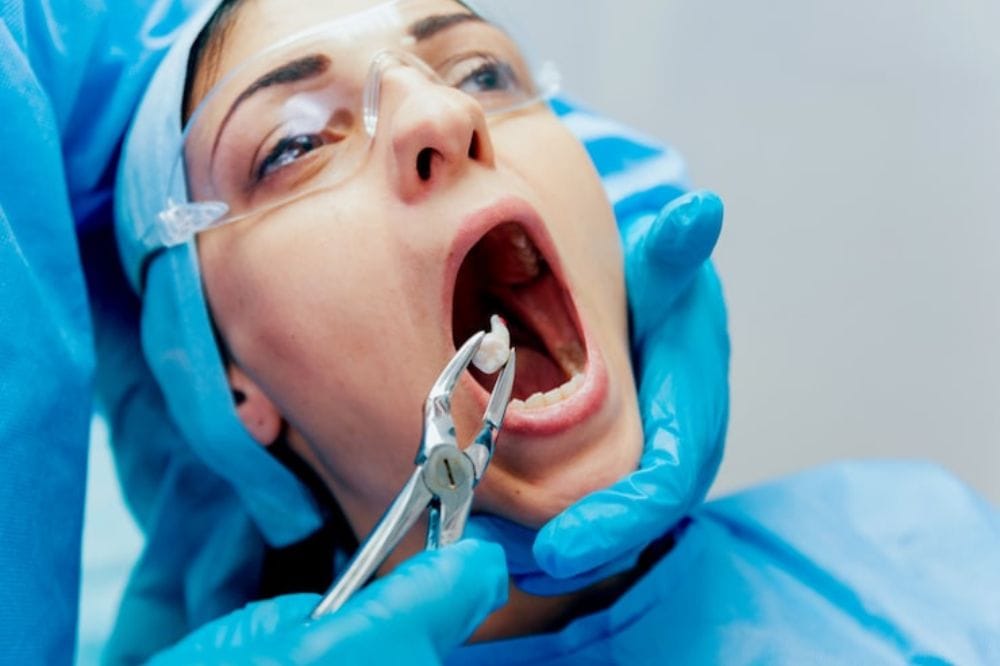
What should you expect during a tooth extraction? A tooth extraction is a common dental procedure used when a tooth cannot be saved or when keeping it may cause other oral health problems. If a tooth extraction near you has been recommended, learning about the process can help you feel more prepared and comfortable before treatment.
Knowing what happens before, during, and after the procedure can also support a smoother recovery and help protect oral health in the future.
Why Tooth Extraction Is Needed
Many people wonder why tooth extraction is necessary, given that modern dentistry aims to save natural teeth whenever possible.
A tooth may need to be removed when:
- Severe decay has damaged the tooth.
- A tooth is badly broken.
- Advanced gum disease has weakened the support around the tooth.
- Wisdom teeth are causing problems.
- Overcrowding affects orthodontic treatment.
- Infection cannot be managed through other treatment options.
The goal is always to protect overall oral health and prevent further complications.
What Happens Before a Tooth Extraction?
Before treatment begins, a complete dental examination is performed.
Before beginning any treatment, a dentist in NE Calgary does a thorough examination.
This assessment may consist of.
- Assessing past dental and medical records.
- Investigating the damaged tooth.
- Conducting Radiography.
- Evaluating nearby teeth and gums.
- Options for treatment.
Using this information, a treatment will be created that is suited to the tooth’s condition and the patient.
How to Prepare for the Appointment
Getting ready before your appointment can help make the procedure easier and more comfortable.
Helpful steps include:
- Following any instructions given before treatment
- Telling the dental team about any medications you take
- Arranging a ride home if you will be receiving sedation or medication that may make you drowsy
- Eating according to the instructions provided before treatment
- Wearing comfortable clothing
Good preparation helps ensure the procedure goes as smoothly as possible.
What Happens During a Tooth Extraction?
The exact process depends on the position and condition of the tooth.
In most cases, the area is carefully numbed before treatment begins.
The general steps may include:
- Numbing the treatment area
- Loosening the tooth
- Removing the tooth carefully
- Cleaning the extraction site
- Placing gauze to help control bleeding
Throughout the procedure, patient comfort remains an important priority.
What Should Be Expected Immediately After Treatment?
The first few hours after a tooth extraction near you are important for healing.
It is normal to have:
- A small amount of bleeding
- Mild soreness in the area
- Slight swelling
- Temporary stiffness in the jaw
These symptoms usually get better over the next few days as the area heals.
How to Care for the Extraction Site
Taking good care of the area after a tooth extraction helps it heal properly and reduces the risk of complications.
Helpful tips include:
- Keep the gauze in place for the time recommended by your dentist.
- Rest and take it easy after the procedure.
- Do not rinse your mouth forcefully on the first day.
- Drink plenty of water.
- Take any medications exactly as directed.
These simple steps can help your mouth heal more comfortably and smoothly.
Foods to Eat After Tooth Extraction
Eating soft foods can help protect the area while it heals.
Good food choices include:
- Yogurt
- Applesauce
- Oatmeal
- Mashed potatoes
- Scrambled eggs
- Smooth soups
- Soft pasta
These foods are easy to chew and are less likely to irritate the extraction area.
Foods to Avoid During Recovery
Some foods may irritate the area or interfere with healing.
It is often best to avoid:
- Hard candies
- Nuts
- Crunchy chips
- Sticky foods
- Extremely hot foods
- Ice chewing
Giving the extraction site time to heal helps support better recovery.
Replacing a Missing Tooth After Extraction
While it is not always the case, many lost teeth do need to be replaced.
You may find help in replacement options:
- Regain jaw function.
- Keep your teeth straight.
- Assist with dialogue.
- Enhance your smile.
A dentist in NE Calgary can discuss whether a replacement option may be beneficial based on individual needs.
How Oral Hygiene Supports Healing
Keeping the mouth clean is important throughout recovery.
Benefits of habits:
- Light is sweeping through that area.
- Follow the cleaning instructions carefully.
- Keeping hydrated
- Going to assessments.
Keeping your mouth clean can help aid healing and support long-term oral health.
Support a Healthy Recovery After Tooth Removal!
Understanding what to expect before and after treatment can make the extraction process feel less overwhelming. Proper preparation, careful aftercare, and regular follow-up visits all contribute to a smoother healing experience and better long-term oral health. Book an appointment today for professional and compassionate dental care at Sunridge Landing Dental Care.
FAQs
How long will bleeding last after tooth extraction?
You will likely experience minor bleeding or oozing for several hours. As a blood clot forms in the extraction site, it usually improves.
When can regular food be eaten again?
It depends on the healing progress. The use of softer foods is generally recommended at first, then return slowly to regular foods when comfortable.
Is swelling normal after a tooth extraction?
Absolutely. Swelling can be common but often fades on its own within a few days for many people.
Is brushing possible after a tooth extraction?
Certainly, you should still brush your teeth carefully, but avoid the extraction site for now.