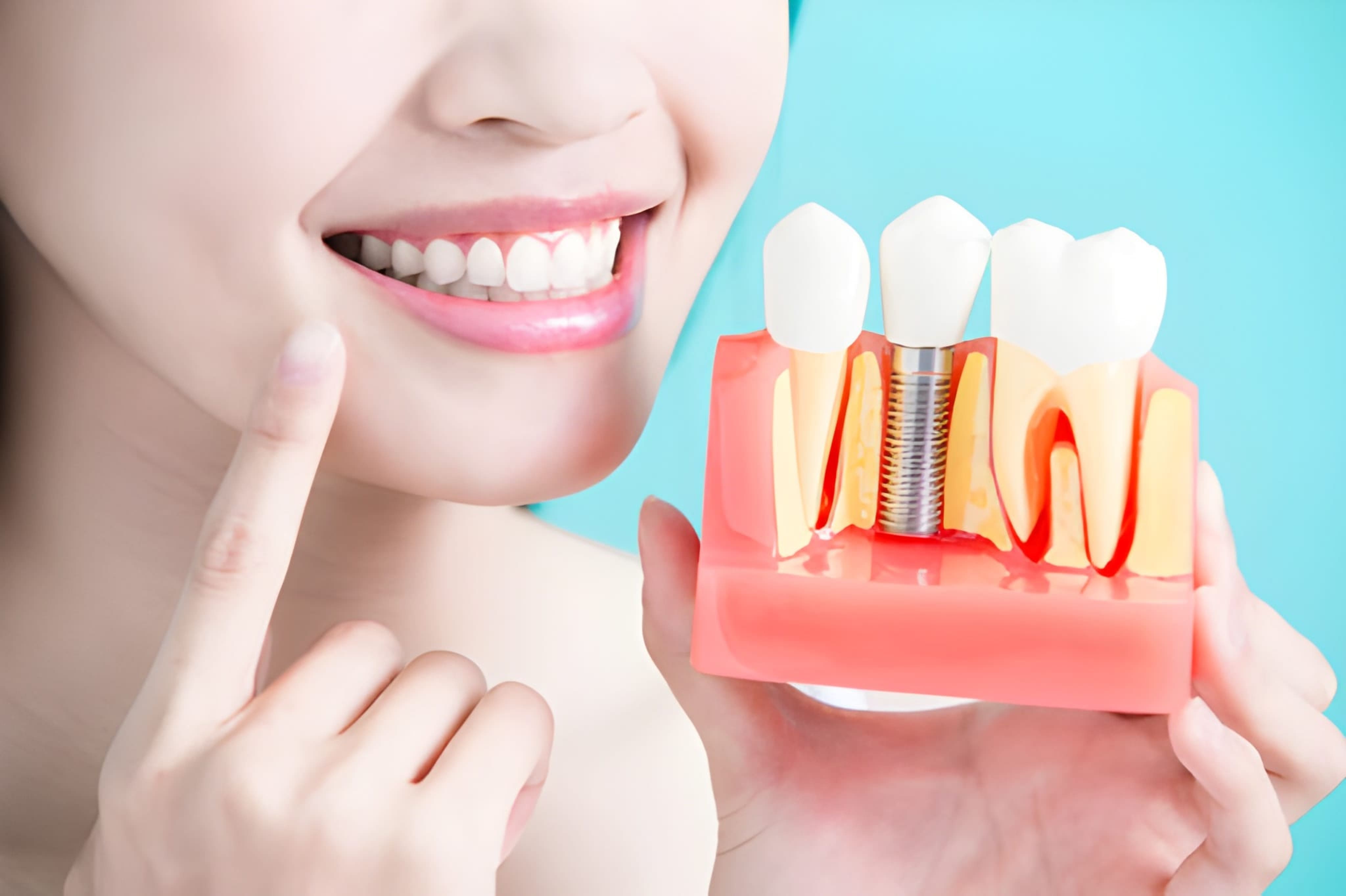
What makes dental implants a good choice for replacing a missing tooth? Losing a tooth can change how you smile, talk, and chew. For many people, dental implants in NE Calgary provide a strong and natural-looking way to fix this. Implants act like real tooth roots and hold a custom crown that matches your other teeth. They are long-lasting, stable, and help keep your jawbone healthy.
Why Does Timing Matter When Thinking About Implants?
There are certain moments when choosing implants makes more sense than waiting. Placing an implant too late can lead to bone loss, shifting teeth, and bite changes. Acting early often leads to easier, faster, and more predictable results.
When is the Best Time to Get Dental Implants?
Knowing the right time for implants from a dentist in NE Calgary helps protect long-term oral health. The best time includes situations like,
- Right after tooth removal, this lowers the chance of bone loss.
- When a denture no longer fits well and causes discomfort.
- When missing teeth affect chewing or speech, they can cause daily challenges.
- When nearby teeth begin to shift into the space.
- When facial shape changes due to long-term tooth loss.
Getting implants at the right time can prevent bigger problems later.
What Types of Dental Implants Are Available?
Understanding the options helps people choose what fits their smile. Common choices include:
Single-Tooth Dental Implants
Used when one tooth is missing, and the surrounding teeth are healthy.
Implant-Supported Bridges
A good choice when several teeth in a row are missing.
Full-Arch Implants (All-on-4 or All-on-6)
Best for restoring an entire upper or lower arch using only a few implants.
Mini Dental Implants
A smaller option is sometimes used when bone density is lower.
Each type matches a different need, making implants flexible for many situations.
How Do Implants Compare to Other Tooth Replacement Options?
A simple comparison helps highlight why implants make sense in many cases:
| Option | Strength | Longevity | Bone Support | Comfort |
| Dental Implants | Very strong | Long-lasting | Yes | Feels natural |
| Dental Bridge | Good | Moderate | No | Good |
| Dentures | Fair | Moderate | No | May move |
Implants are very strong and stable because they attach to the jawbone just like real teeth.
Why Do Dental Implants Help Protect Jawbone Health?
When a tooth is missing, the jawbone no longer gets pressure from chewing. This leads to shrinkage over time. An implant replaces this pressure and helps the bone stay strong. This prevents changes in facial shape and supports long-term oral health.
What Everyday Signs Show It Might Be Time for Implants?
Here are simple signs that implants may be a good choice:
- Trouble chewing tough foods
- Difficulty speaking clearly
- Dentures that slip or cause sore spots
- Gaps that feel uncomfortable
- Feeling self-conscious about smiling
- Bone loss is seen in X-rays
- Changes in bite or shifting teeth
If any of these issues are happening, implants may be the most reliable solution.
How Do Dental Implants Improve Daily Life?
Implants help people:
- Eat food comfortably
- Smile confidently
- Protect healthy teeth
- Prevent bone loss
- Enjoy a stable and long-lasting solution.
Because they act like natural teeth, daily life feels normal again.
Reclaim a Healthy, Confident Smile Today!
Take the next step toward a healthy, comfortable smile. Book your visit at Sunridge Landing Dental Care for friendly guidance, gentle treatment, and long-lasting tooth replacement options that help keep your mouth healthy for years.
FAQs
When is the best time to get dental implants?
Right after losing a tooth is ideal because it prevents bone loss and keeps neighboring teeth in place.
What types of dental implants are available?
Options include single implants, implant bridges, full-arch systems, and mini implants.
Do dental implants hurt during placement?
Most people feel only mild pressure because the area is numbed during treatment.
How long do dental implants last?
With good care, dental implants can last many years because they join firmly with the jawbone.