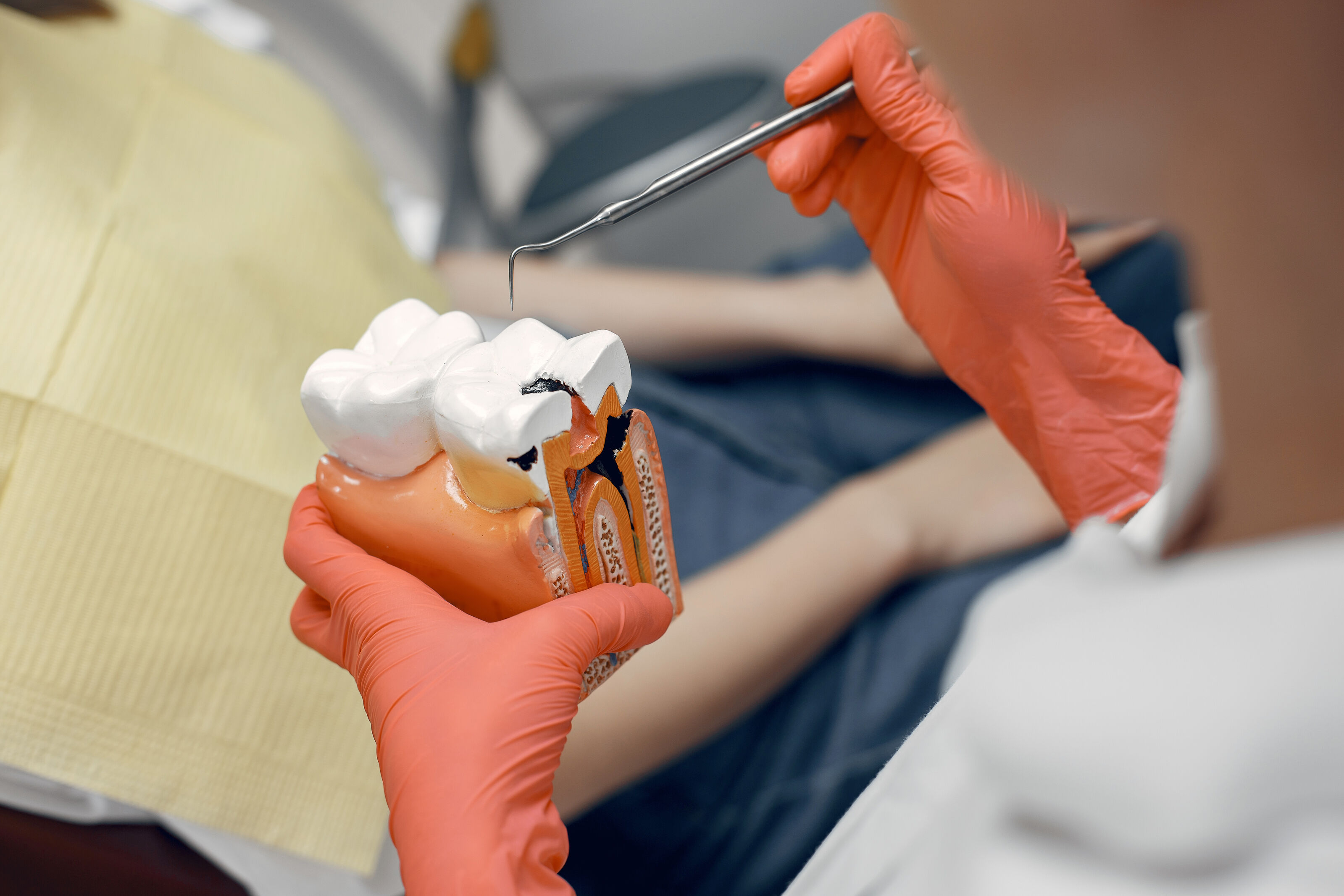
When you have a root canal, the goal is to save a natural tooth that has been badly damaged or infected. Ten years later, most patients find that the tooth is still functioning perfectly and feels no different from their other teeth. In fact, a high percentage of these procedures are successful for a decade or more, provided you maintain good oral hygiene and visit a dentist in Calgary NE for regular check-ups to monitor the health of the treated area.
The long-term life of a treated tooth
A root canal is not just a temporary fix; it is a long-term solution to prevent tooth loss. During the decade following the procedure, the bone around the tooth typically stays strong and healthy. If you are looking for a dentist near you to evaluate an old procedure, they will likely take an X-ray to ensure no new infection has formed near the tip of the root.
| Aspect | Status After 10 Years | What to Watch For |
| Pain Level | Should be zero | Any new sensitivity or dull aches |
| Tooth Color | May darken slightly | Cosmetic whitening or veneers |
| Bite Strength | Remains strong | Feeling of “looseness” or shifting |
| Gum Health | Should be firm | Bleeding or swelling near the site |
As time passes, the most important factor in the tooth’s survival is the restoration used to seal it. Seeking out root canal treatment near you often involves a two-step process: removing the infection and then protecting the remaining tooth structure. Without a proper seal, the internal part of the tooth can become brittle or exposed to new bacteria over the years.
The role of the protective seal
One of the biggest reasons a root canal might fail after many years is the breakdown of the filling or the cap placed on top. A dental crown after root canal therapy acts like a helmet, shielding the weakened tooth from the immense pressure of chewing. Without this protection, the tooth is much more likely to crack or split over ten years.
The focus of the dentist is on ensuring that the final restoration is durable enough to withstand daily use for the long haul. If the seal remains intact, the tooth can stay in your mouth for the rest of your life. However, if the seal leaks, bacteria can re-enter the root system, which might require a second treatment to clear out the new infection.
Potential changes to look out for
Even a successful procedure can face challenges as you age. Over ten years, your gums may naturally recede, or your bite may shift. It is important to keep an eye on these specific signs:
- Fractures: Small “craze lines” or cracks can form in the crown or the tooth itself.
- Secondary Decay: Cavities can still form at the very edge where the crown meets your natural tooth.
- Bone Density: In rare cases, the bone around the root can change, affecting the tooth’s stability.
- Nerve Issues: While the main nerve is gone, the surrounding tissues still have feeling and can become inflamed.
By catching these small changes early, your dental team can perform minor repairs rather than needing to replace the entire restoration. Consistency in your home care routine—brushing twice a day and flossing—is the best way to ensure your treated tooth reaches its twentieth anniversary.
Ensuring a Lifetime of Function
A root canal is a remarkable way to keep your natural smile intact, and with the right care, it can last a very long time. While a decade is a great milestone, many treated teeth serve patients faithfully for thirty or forty years. The key to this longevity is a combination of high-quality initial work and your commitment to daily maintenance and professional oversight.
At Sunridge Landing Dental Care, we believe in providing restorative treatments that stand the test of time. Our team is here to offer professional, gentle guidance to ensure your smile remains healthy and pain-free for years to come.
Whether you need a new treatment or an assessment of an existing one, we welcome you to visit us for personalized care in a comfortable setting.
Frequently Asked Questions
Can a root canal tooth get a cavity?
Yes. While the inside of the tooth is sealed, the outer structure and the area near the gums are still made of natural tooth material. This means decay can still form if sugar and bacteria are not cleaned away regularly.
Why does my 10-year-old’s root canal suddenly hurt?
New pain usually indicates a “leaky” seal that has allowed new bacteria to enter, or perhaps a tiny fracture in the root. It is important to have this checked immediately to prevent the infection from spreading to the jawbone.
Does the tooth become more brittle over time?
Yes, because the tooth no longer has a blood supply, it can become slightly more “dry” and brittle than a live tooth. This is exactly why a high-quality crown is recommended to provide the necessary structural support.
Is it possible to redo a root canal after 10 years?
Absolutely. This is called a “retreatment.” If a new infection is found, a specialist can often remove the old filling material, clean the canals again, and reseal the tooth to give it another decade or more of life.